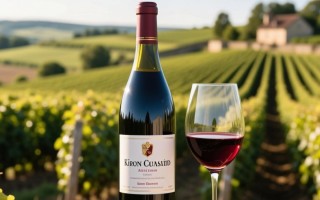
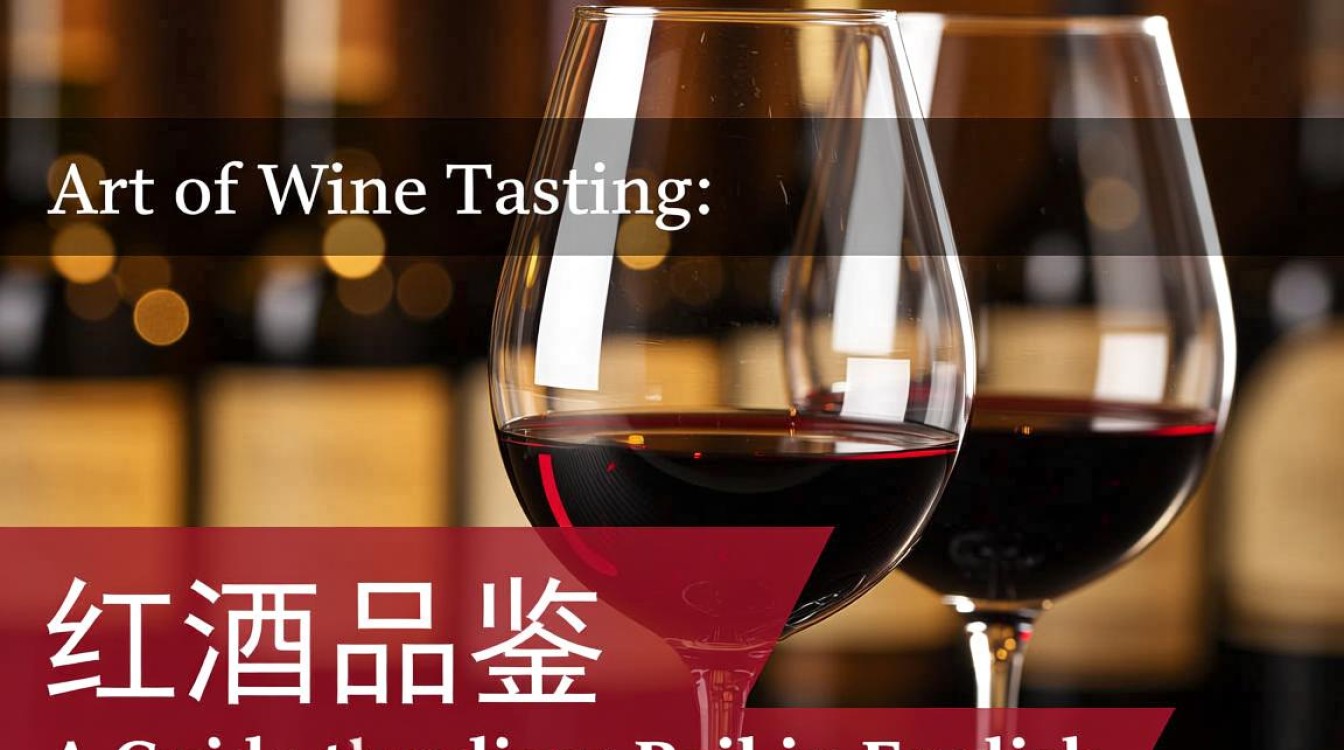
Redefining the Art of Wine Tasting: A Guide to红酒品鉴 in English
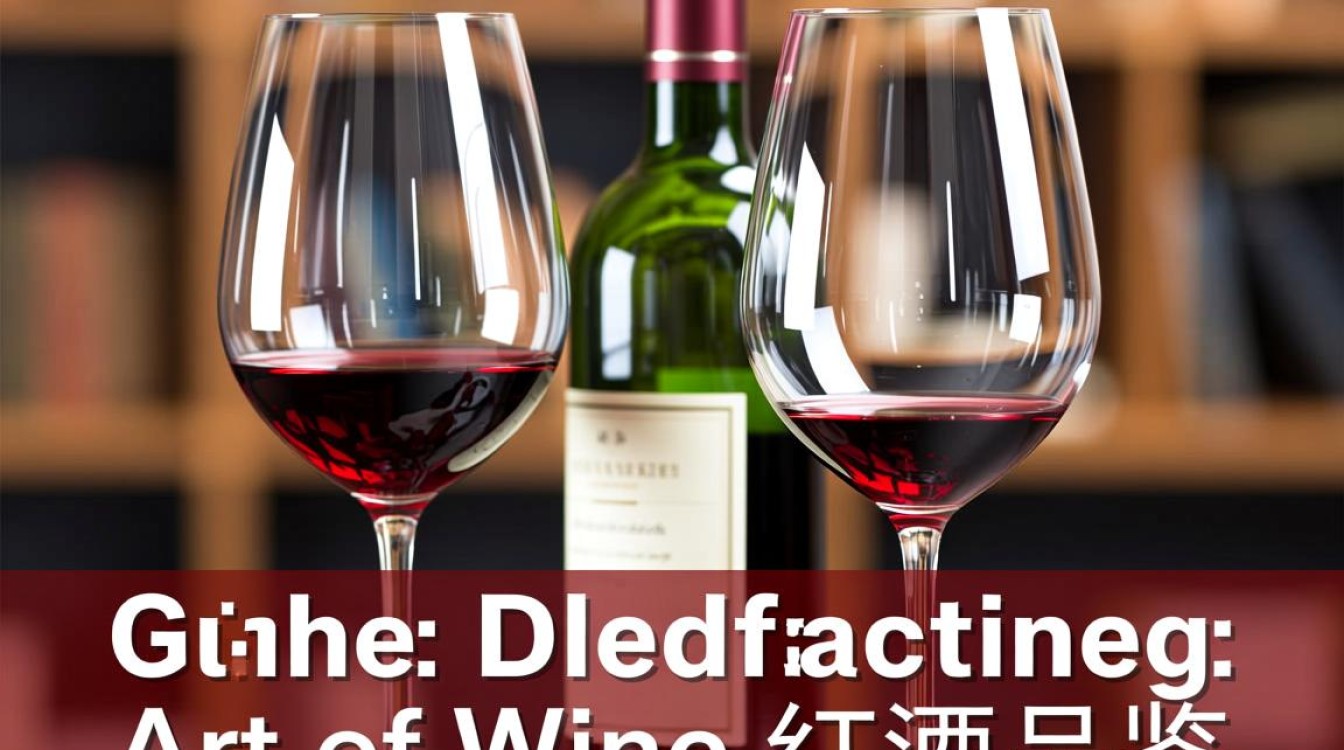
Introduction Wine tasting is an art form that has been cherished for centuries. It involves more than just drinking wine; it's about appreciating the nuances of flavor, aroma, and texture. Whether you are a seasoned wine enthusiast or a beginner, this guide will help you navigate the world of红酒品鉴 in English.
Understanding Wine Tasting
The Basics of Wine Tasting
Wine tasting is a sensory experience that requires attention to detail. Here are the key elements to consider:
- Color: Observe the wine's color by holding the glass against a white background. Note the intensity and hue.
- Aroma: Swirl the wine in the glass to release its aromas. Inhale deeply and identify the scents.
- Taste: Take a small sip, swirl it around your mouth, and note the flavors and acidity.
- Finish: After swallowing, consider the aftertaste and how long it lingers.
The Right Glassware
The right glassware can enhance your wine tasting experience. Here's a quick guide:
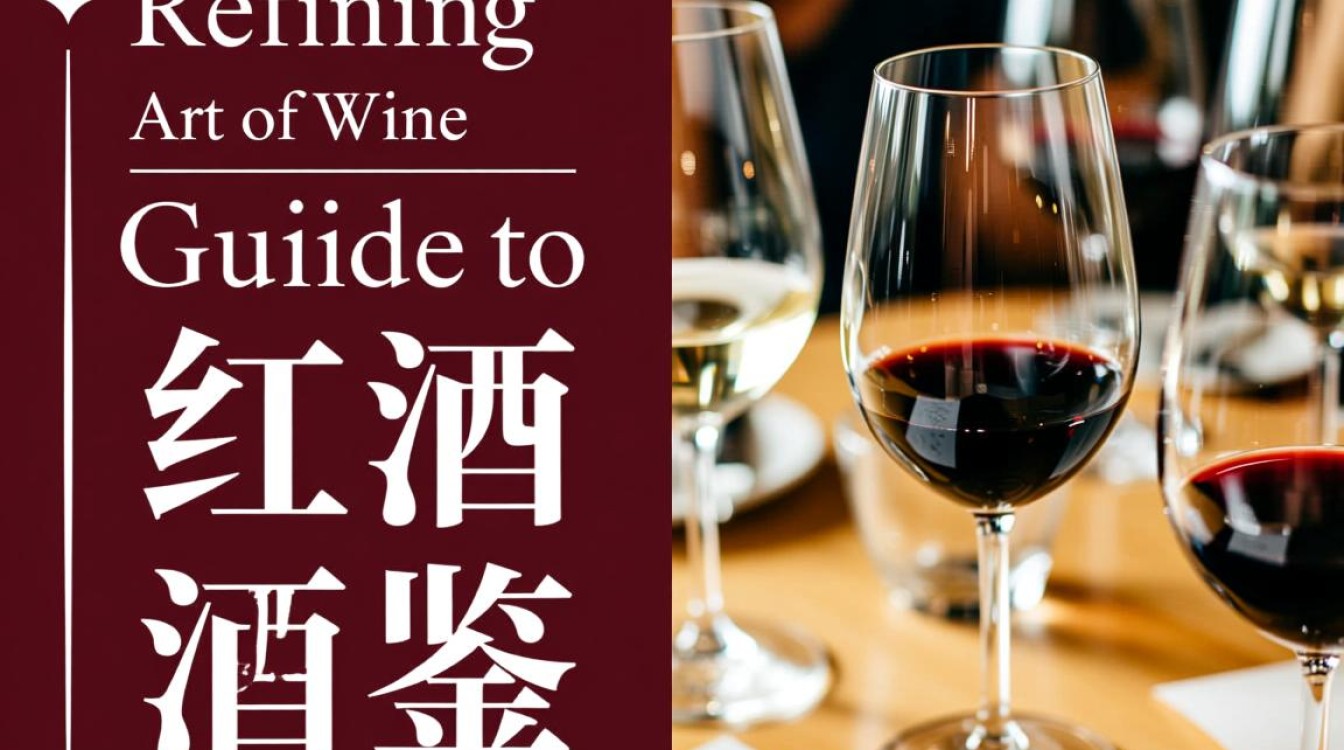
| Wine Type | Ideal Glass |
|---|---|
| Red Wine | Bordeaux or Standard Red Wine Glass |
| White Wine | White Wine Glass |
| Sparkling Wine | Champagne Flute |
| Dessert Wine | Small Glass with a Tall Stem |
Mastering the Technique
The Wine Tasting Process
Follow these steps to master the wine tasting process:
- Pouring: Fill the glass about a third full.
- Observing: Look at the color and clarity.
- Swirling: Rotate the glass gently to release aromas.
- Sniffing: Inhale deeply to detect the aroma.
- Tasting: Take a small sip, swirl, and taste.
- Savoring: Consider the taste, acidity, and tannins.
- Finishing: Reflect on the aftertaste and overall impression.
Decanting
Decanting wine can enhance its flavor and aroma. It's particularly beneficial for older wines, as it allows the wine to breathe and release its complexities. Here's how to do it:
- Choose a decanter that complements the wine's style.
- Pour the wine slowly and steadily into the decanter.
- Allow the wine to breathe for at least 30 minutes to several hours, depending on the wine's age and complexity.
Wine Pairing
Pairing wine with food can elevate your dining experience. Here's a simple guide to get you started:
| Wine Type | Food Pairing |
|---|---|
| Red Wine | Red Meat, Hearty Soups |
| White Wine | Fish, Poultry, Salads |
| Sparkling Wine | Seafood, Creamy Dishes |
| Dessert Wine | Fruit, Cheese, Chocolate |
FAQs
Q1: How do I know if a wine is spoiled? A1: Spoiled wine often has an off-putting smell, such as vinegar or mold. If the wine tastes sour or has an unpleasant taste, it's best to avoid drinking it.
Q2: Can I taste the difference between a $10 and a $100 bottle of wine? A2: While both wines may be enjoyable, the higher-priced wine often has more complex flavors and a longer finish. The difference is often subtle, but wine enthusiasts can often detect it.
标签: 红酒品鉴英语词汇 红酒品鉴英文短语大全 红酒品鉴英语表达技巧